
In the rapidly evolving landscape of garment manufacturing, a pivotal question has emerged among production managers and supply chain strategists: Can Digital Pattern Cutting Replace Traditional Die-Cutting for Apparel? As brands face increasing pressure to deliver high-quality garments with shorter lead times and greater customization, the search for the most efficient cutting solution has become a priority. While traditional methods have served the industry for decades, the rise of intelligent automation suggests a paradigm shift. Understanding whether digital systems can truly displace mechanical dies requires a deep dive into the operational mechanics, economic implications, and the specific demands of modern apparel production.
The following analyses are based on expert insights from the Top 10 Brands of Digital Pattern Cutting Systems for Apparel.
Understanding the Mechanics: Traditional vs. Digital
To evaluate the potential for replacement, one must first understand the fundamental differences in how these two technologies operate. Traditional die-cutting is a mechanical process that relies on physical “dies”—custom-made steel blades bent into specific shapes (like a cookie cutter). These dies are pressed into layers of fabric using high-pressure machinery. It is a brute-force method designed for repetition and speed once the initial setup is complete.
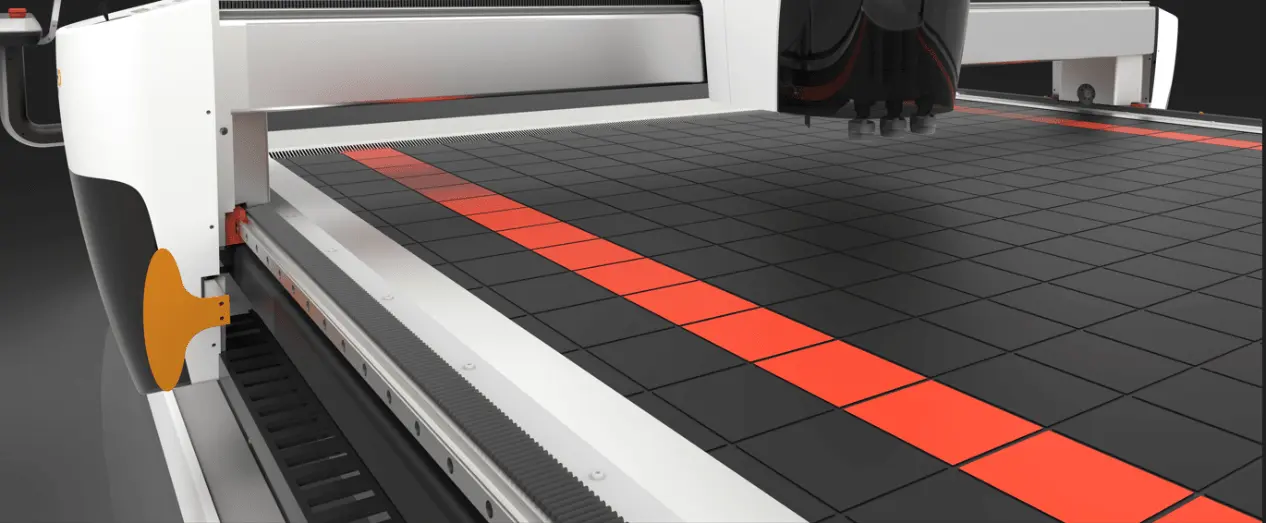
In contrast, digital pattern cutting is a tool-less, software-driven process. Instead of a physical blade shaped like a garment component, a digital cutter uses high-speed oscillating knives, driven by CAD (Computer-Aided Design) data, to trace the exact geometry of the pattern onto the fabric. Systems developed by industry leaders like IECHO leverage advanced motion control and vacuum adsorption technology to ensure the fabric remains perfectly still while the cutting head moves with surgical precision.
The Demands of the Modern Apparel Industry
The apparel sector is unique because of its material diversity and seasonal volatility. Fabrics range from delicate silks and stretchy knits to heavy denims and technical composites. Furthermore, the industry is moving away from “mass production” toward “mass customization.”
Traditional die-cutting excels in environments where a single design is produced in tens of thousands of units. However, the cost and time required to manufacture, store, and maintain physical dies become a significant burden when styles change every few weeks. This is where the limitations of traditional methods hit the ceiling of modern retail demands.
The Case for Digital Transition: Precision and Flexibility
Digital pattern cutting addresses the primary pain point of traditional manufacturing: the “setup bottleneck.” Because digital systems require no physical dies, a manufacturer can switch from cutting a summer dress to a winter jacket in the time it takes to load a new file.
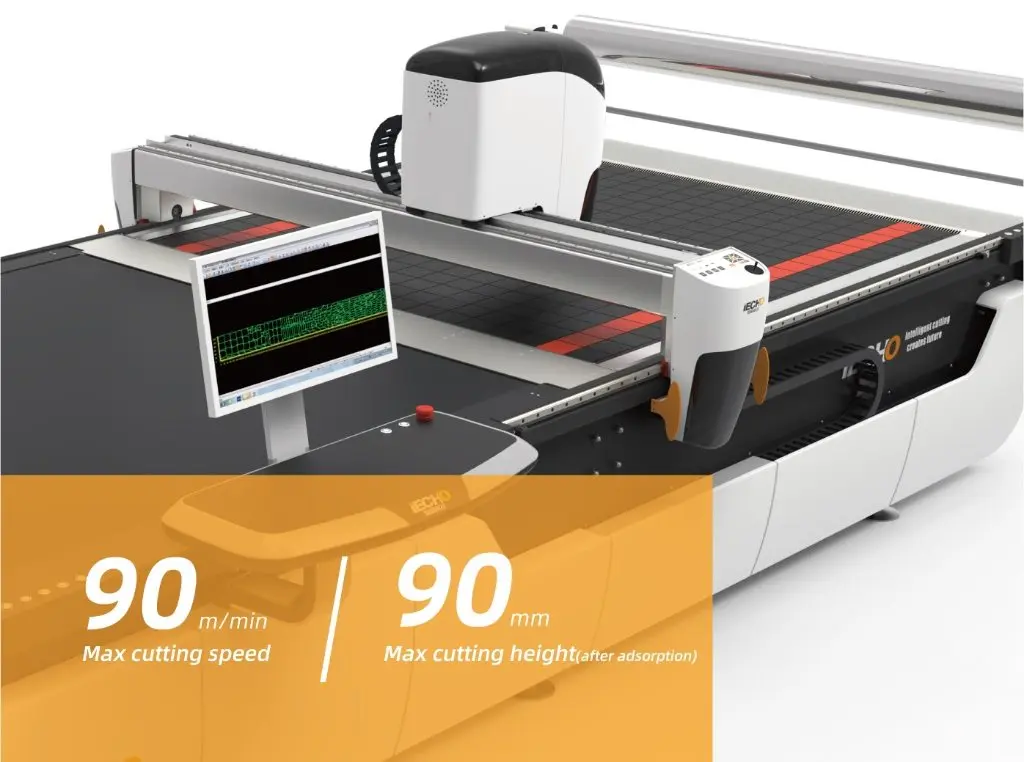
A primary example of this innovation is the GLSC Automatic Multi-layer Cutting System. This technology is engineered for high-volume production without the rigidity of dies. It utilizes a “Smart Cutting” algorithm that compensates for fabric distortion in real-time. For apparel manufacturers, this means the ability to cut multiple layers of fabric with a precision that often exceeds manual or die-based methods. The GLSC system can achieve cutting speeds of up to 90m/min, effectively bridging the productivity gap that once made die-cutting the undisputed king of high-volume work.
Where Traditional Die-Cutting Still Holds Ground
Despite the digital surge, traditional die-cutting is not obsolete. In very specific high-volume applications—such as the production of simple, unchanging components like pocket liners or basic t-shirt blanks—the sheer mechanical speed of a press can be difficult to beat. However, the “hidden costs” often tip the scale. Physical dies occupy massive warehouse space and require skilled technicians for maintenance. If a pattern needs a 5mm adjustment, a traditional die must be scrapped and rebuilt. A digital cutter requires only a few clicks in a CAD program.
Hybrid Innovation: High-Speed Precise Solutions
For industries that still require the specific “punch” or finish of a die but want to move toward digital efficiency, new hybrid technologies are emerging. IECHO’s GLSC Rapid Replacement of Die systems represent a middle ground, offering high-speed and precise die-cutting capabilities that integrate better with modern digital workflows. By focusing on the “rapid replacement” aspect, these tools allow manufacturers to maintain the structural benefits of die-cutting while significantly reducing the downtime associated with traditional tool changes.
Technical Superiority and Corporate Evolution
The shift toward digital cutting is as much about data as it is about blades. Hangzhou IECHO Science & Technology Co., Ltd. has positioned itself as a global intelligent cutting solution supplier by focusing on the R&D of non-metal cutting. With over 30% of its 400-plus employees dedicated to Research and Development, the focus has shifted toward “Intelligent Manufacturing.”
The core competitiveness of modern digital cutters lies in their integrated sensors and software. For instance, IECHO’s systems utilize vacuum chambers to compress “fluffy” apparel materials, turning a 50-layer stack of fabric into a solid block for more accurate cutting. This level of technical control ensures that the bottom layer is identical to the top layer—a common challenge in traditional die-cutting where the physical pressure of the die can cause “bowing” or displacement in thick stacks.
Conclusion: A Complementary or Replacement Future?
Does digital pattern cutting replace traditional die-cutting? For the vast majority of the apparel industry, the answer is increasingly “yes.” The need for sustainable production (less fabric waste through optimized digital nesting), the demand for rapid prototyping, and the elimination of physical tool storage make digital systems the logical choice for the future.
While traditional die-cutting remains a specialized tool for ultra-high-volume, low-complexity items, the flexibility of systems like the GLSC Multi-layer cutter offers a more resilient business model. As global markets fluctuate, the ability to adapt production lines within minutes is the ultimate competitive advantage. By redefining intelligent cutting technology, firms like IECHO are not just providing machines; they are providing the infrastructure for a more responsive and efficient global textile industry.
For more information on intelligent cutting solutions, visit: https://www.iechocutter.com/