
In the rapidly evolving landscape of industrial manufacturing, the demand for precision, speed, and material efficiency has never been higher. As a Leading Supplier of Integrated Cutting Systems for Clothing Factories, the shift toward digital transformation is no longer a luxury but a strategic necessity. For modern production facilities, the integration of advanced digital cutting tables represents a pivotal move away from manual inconsistencies toward a streamlined, automated future. By implementing intelligent systems, manufacturers can bridge the gap between complex digital designs and physical output, ensuring that every cut is executed with mathematical rigor and operational fluidity.
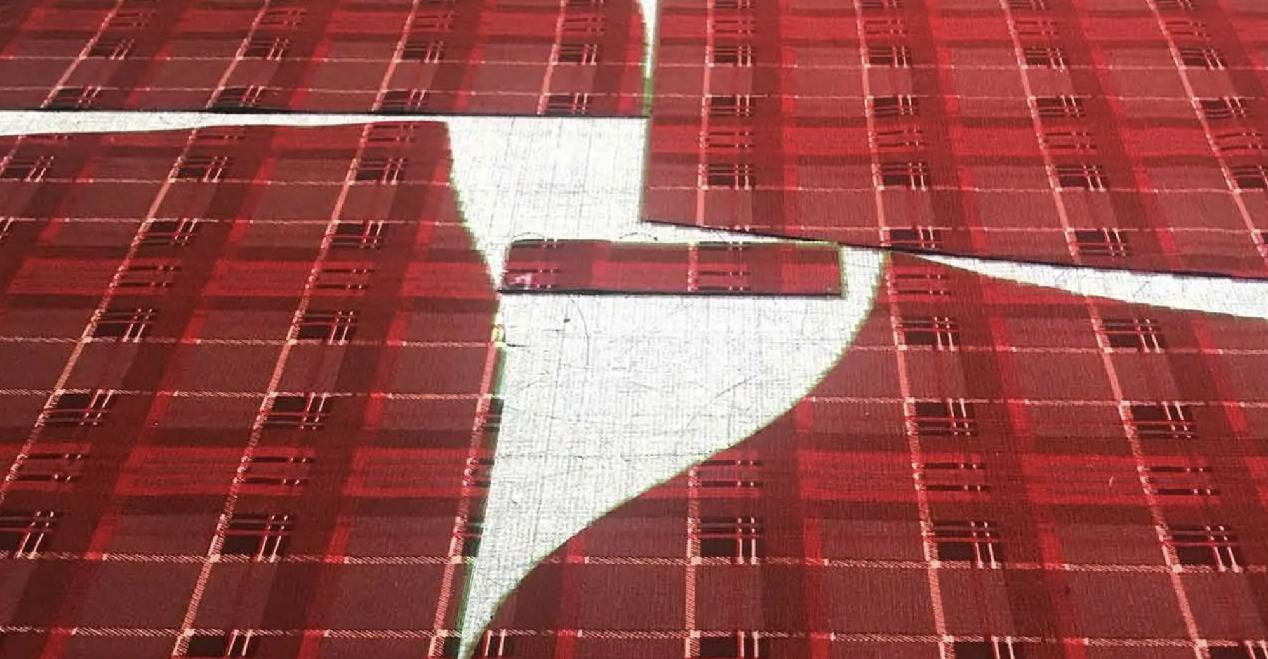
Optimizing a production workflow requires a holistic understanding of how hardware and software interface. It is not merely about the speed of a blade, but about how data flows from the initial design phase to the final sorted piece. The following analysis explores the systematic steps involved in maximizing throughput and quality using high-end digital cutting solutions.
Step 1: Digital Design Integration and Material Preparation
The foundation of an optimized workflow begins long before the machine starts its first cycle. In a traditional setting, preparing patterns and manual marking often result in significant material waste and human error. Modern integrated systems utilize sophisticated CAD/CAM interfaces that allow for seamless data synchronization. By importing digital patterns directly into the cutting management software, operators can ensure that every specification is preserved with sub-millimeter accuracy.
Efficiency at this stage is largely driven by intelligent nesting algorithms. These tools analyze the geometry of the required parts and arrange them on the material surface to minimize gaps. For industries dealing with high-cost fabrics or specialized composites, reducing waste by even a small percentage can lead to substantial annual savings. The preparation phase also involves automatic material detection, where sensors identify the thickness and tension of the substrate, allowing the system to calibrate its pressure and speed settings before the operation commences.
Step 2: Intelligent Parameter Calibration and System Initialization
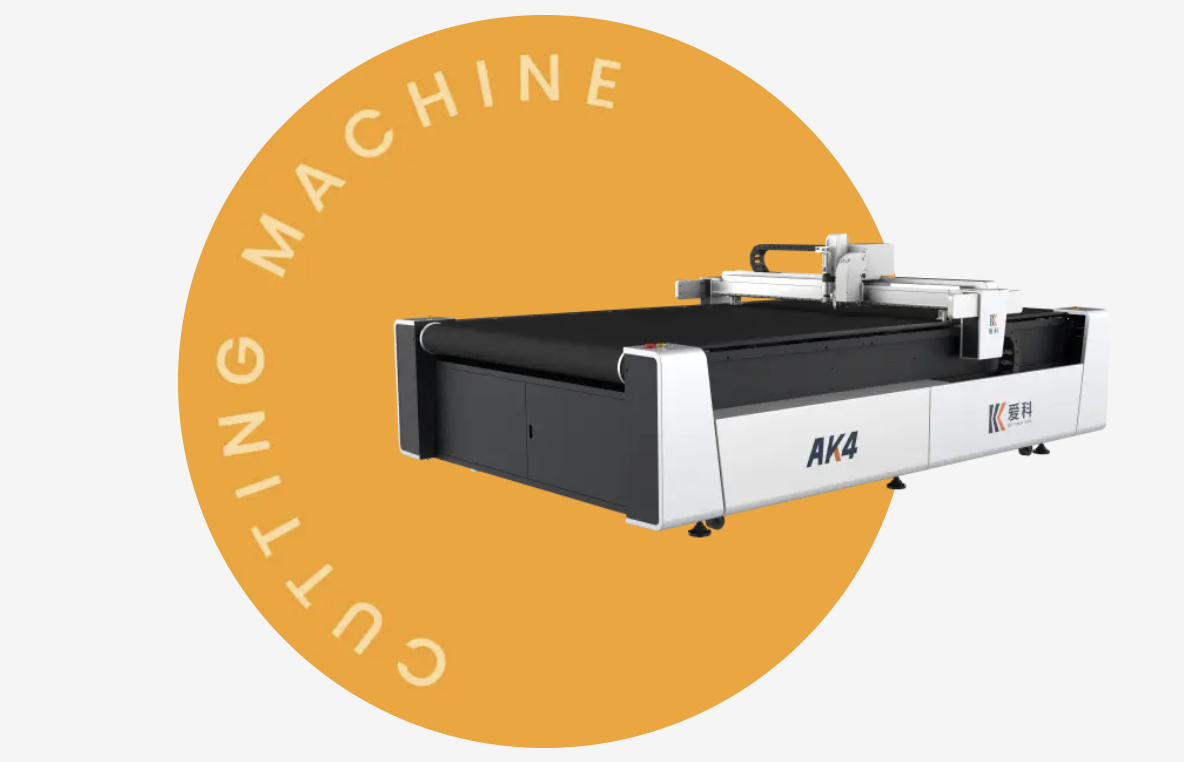
Once the digital assets are ready, the workflow moves into the technical calibration phase. High-performance units, such as the AK4 Intelligent Cutting System, utilize multi-axis control technology to manage complex cutting paths. This stage is critical because different materials—ranging from delicate textiles to rigid industrial plastics—require specific mechanical approaches.
A key technical advantage of modern systems is the ability to swap tool heads rapidly without losing calibration. Whether the task requires an electric oscillating tool for thick materials or a rotary cutter for breathable fabrics, the system’s intelligent control center recognizes the hardware and adjusts the motor torque accordingly. This “plug-and-play” capability ensures that the workflow remains uninterrupted even when transitioning between diverse product lines. Furthermore, the vacuum adsorption technology ensures the material remains perfectly flat and stationary, eliminating the risk of shifting during high-speed movements.
Step 3: High-Precision Execution and Dynamic Monitoring
The core of workflow optimization lies in the execution phase. This is where the synergy between mechanical stability and software intelligence becomes visible. Integrated digital cutting tables utilize high-frequency vibration tools and precision gantry systems to maintain consistent quality across long production runs.
Unlike manual cutting, which is subject to fatigue and variation, digital systems offer repeatable precision. For instance, the AK4 system features a high-definition vision positioning system. By utilizing specialized cameras to identify registration marks or patterns on the material, the machine can automatically compensate for any distortions or stretching that may have occurred during the feeding process. This dynamic adjustment capability is a cornerstone of IECHO’s technological innovation, ensuring that the finished product matches the digital blueprint exactly, regardless of material irregularities.
Step 4: Automated Sorting and Quality Verification
After the cutting cycle is complete, the challenge shifts to logistics: how to quickly identify and sort dozens or even hundreds of small components. An unoptimized workflow often bottlenecks here, as manual sorting is slow and prone to mislabeling. Integrated systems solve this through automated projection or inkjet labeling technologies.
By projecting the pattern details directly onto the cut pieces on the collection table, operators can immediately identify which part belongs to which order. Some advanced setups integrate robotic arms to pick and place parts into designated bins, further reducing human intervention. This step ensures that the high speed achieved during the cutting process is not lost during the post-processing phase. Quality verification is also digitized; sensors can scan the cut edges to ensure they meet the predefined smoothness and dimensional standards, providing a closed-loop data set for quality assurance.
Step 5: Data Feedback and Continuous Optimization
The final step in optimizing the workflow is the analysis of production data. Modern integrated cutting systems are essentially IoT devices that record every aspect of the operation—total cutting time, material utilization rates, tool wear, and power consumption.
By reviewing these analytics, factory managers can identify hidden inefficiencies. For example, if data shows that certain patterns consistently result in higher waste, the design team can adjust the CAD files accordingly. This cycle of continuous improvement transforms the cutting table from a standalone tool into a central hub of industrial intelligence. It allows companies to scale their production while maintaining a lean operational footprint, effectively meeting the demands of global supply chains.
Technical Performance and Application Versatility
The efficacy of these steps is supported by robust technical parameters. High-end digital cutters often feature maximum cutting speeds of up to 1500mm/s and acceleration rates that allow for rapid direction changes without sacrificing edge quality. The integration of high-precision motors and carbon fiber gantries provides the necessary rigidity for heavy-duty industrial use while remaining light enough for agile movements.
These systems are not limited to the garment industry. Their versatility extends to automotive interiors, where they handle leather and synthetics for seating; the advertising industry, for precision cutting of signage and displays; and the aerospace sector, for processing advanced composite materials. The ability to handle such a wide variety of applications within a single hardware framework is a testament to the versatility of integrated digital cutting technology.
In conclusion, the optimization of industrial workflows through integrated digital cutting tables is a multifaceted process. From the initial digital design to the final data analysis, each step is designed to maximize precision and minimize waste. By adopting these intelligent systems, manufacturers can ensure their operations remain competitive, sustainable, and capable of meeting the highest international standards of quality.
For more information on advanced cutting solutions and technical specifications, please visit: https://www.iechocutter.com/