
As modern manufacturing shifts toward high-precision automation, integrating an advanced digital cutting system has become essential for scaling factory operations. In the professional manufacturing sector, true procurement standards come down to three critical metrics, each of the three directly dictating the daily output, profitability, and future growth of a factory. As production deadlines tighten across manufacturing sectors, understanding these fundamental requirements is what separates high-performing facilities from those struggling with unexpected downtime.
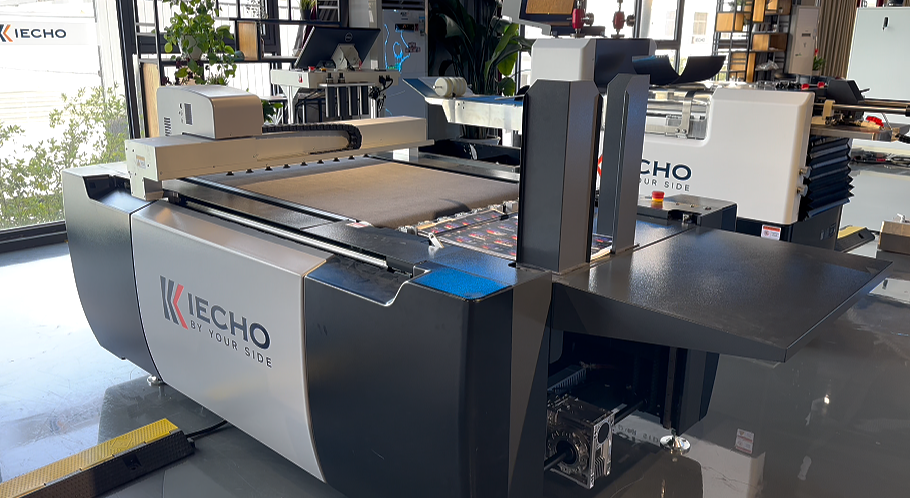
The Three Strategic Priorities: Efficiency, Stability and Compatibility
To build a reliable and highly productive workshop, industry experts advise buyers to evaluate equipment based on three core operational pillars:
True Cutting Efficiency: It is not just about peak speed on paper, but how effectively the machine maintains a high throughput during continuous, real-world production runs.
Long-Term Operational Stability: Machines should maintain steady long-term performance. Excellent stability reduces gradual precision loss and lowers the risk of costly material flaws.
Seamless Factory Compatibility: The technical parameters of the system must align perfectly with the specific layout, electrical environment, and unique production requirements of your individual workshop.
Many machines on the market today feature attractive aesthetics and carry widely recognized brand names. Yet, beneath the surface, they often lack the build quality required for heavy-duty industrial use. Within a short period, these systems can suffer from frequent breakdowns, software lag, and sudden drops in cutting speed. For a busy factory, these technical failures inevitably lead to delayed shipments and damaged client relationships.
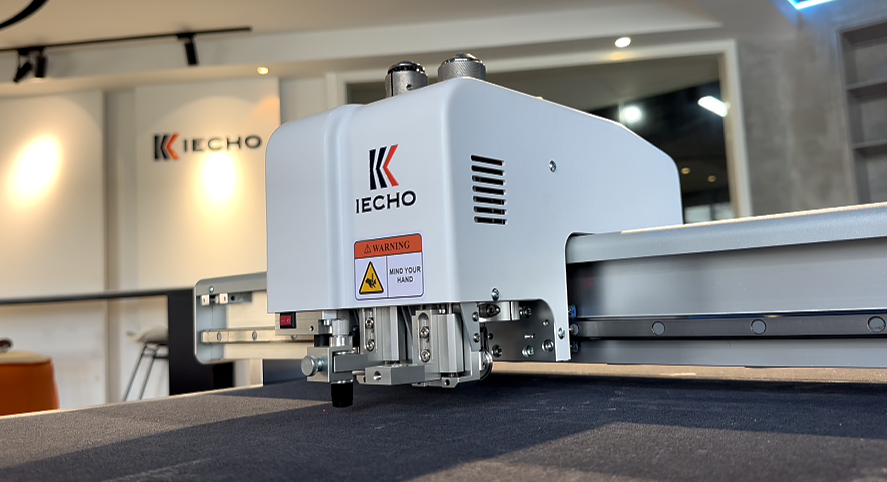
Eliminating Technical Flaws: The Commitment to Real Craftsmanship
To prevent these production bottlenecks, leading manufacturers focus heavily on hardcore engineering and robust machine design. For years, IECHO has established its market position by rejecting exaggerated parameters and superficial shortcuts, focusing strictly on verified build quality.
The manufacturing process of an industrial-grade cutting system requires strict adherence to international standards at every phase of development:
Rigorous Component Selection: Procuring only high-grade, durable core parts to withstand heavy, continuous workloads.
Precision Internal Assembly: Meticulous internal alignment and calibration during the assembly phase to eliminate mechanical friction.
Comprehensive Final Testing: Subjecting every fully assembled machine to rigorous stress-testing before it officially leaves the factory floor.
This disciplined approach ensures that every piece of equipment is fully capable of passing real-world tests in high-demand environments.
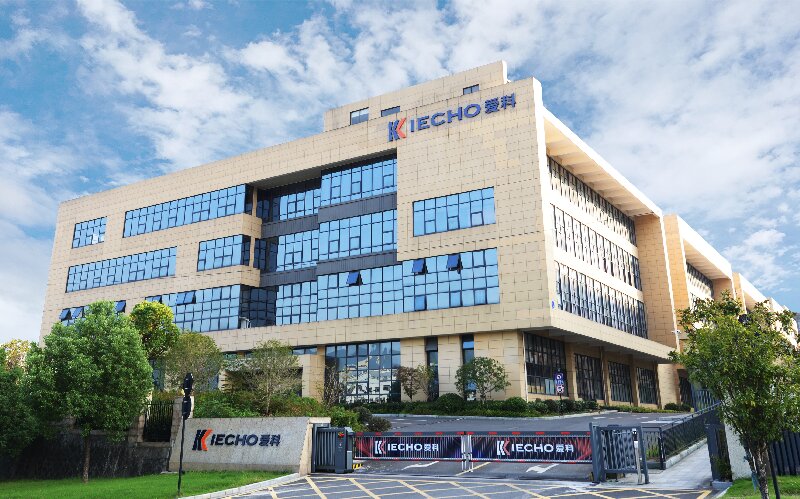
Redefining Equipment as Production Confidence
For factory owners, it is essential to reframe what an equipment purchase actually represents. A cutting system is never just a piece of hardware sitting on the floor; it is the ultimate foundation of your production confidence. It is the guarantee that your business can secure high-volume contracts, maintain zero delays in shipping, and operate at maximum efficiency.
When investing in technology, a low purchase price represents only a one-time, short-term cost. In contrast, genuine equipment quality, long-term operational stability, and dependable after-sales support are the true engines that generate consistent profit. For forward-thinking business owners, anchoring the workshop with a proven, stable system is the most reliable strategy to ensure 24/7 continuous production and secure long-term commercial success.
Post time: Jun-26-2026